Today’s Industrial AI Daily Signal · Autonomous equipment · Vehicle regulation
Cybercab’s missing controls triggered a federal audit.
Tesla began limited paid Cybercab rides in Austin, then NHTSA opened an audit into whether the vehicles were properly self-certified. The purpose-built robotaxi has no steering wheel, pedals or mirrors, even though federal standards written around human-driven vehicles remain in force.
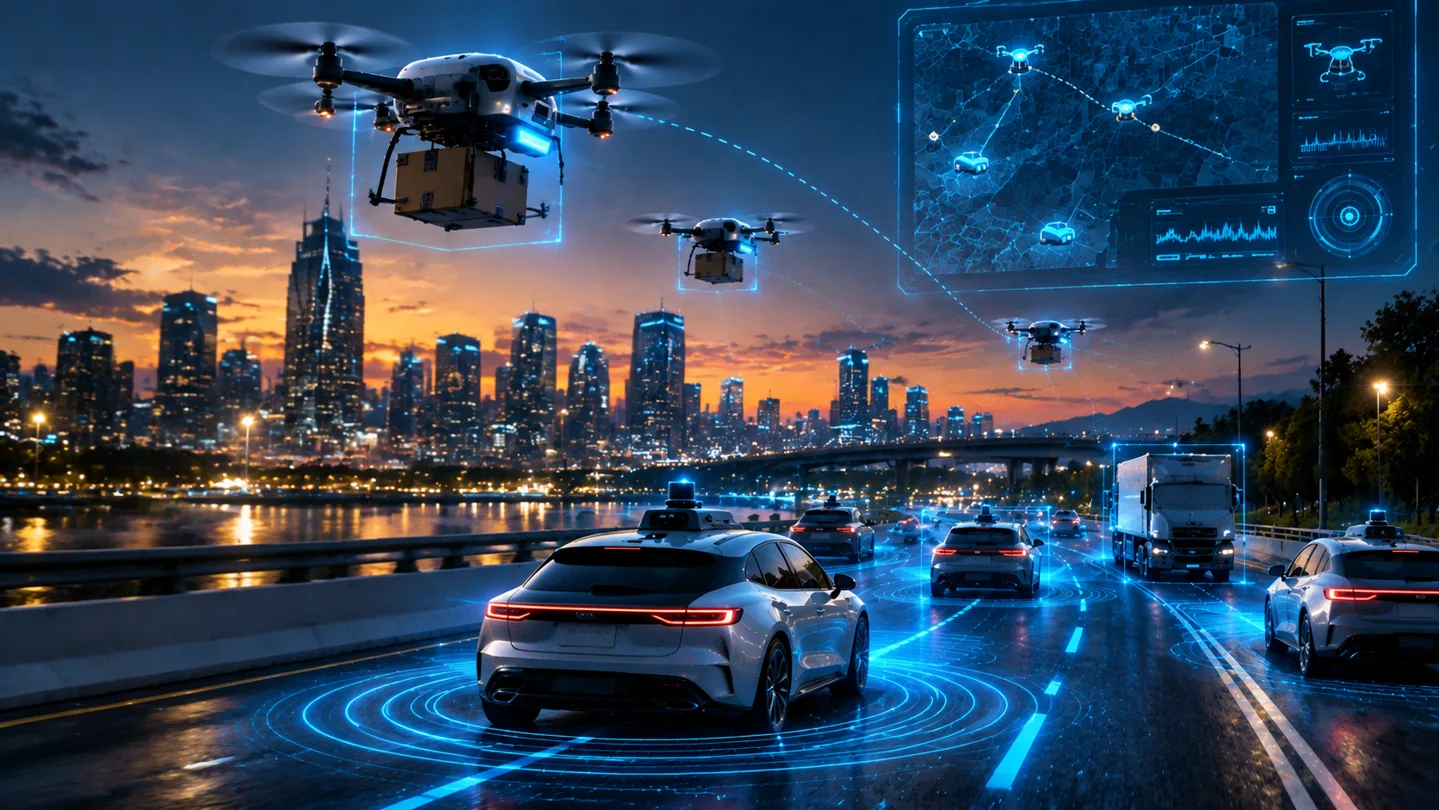
Tesla has moved a small number of two-seat Cybercabs into commercial service in Austin. Texas records showed 45 Cybercabs among 420 Tesla autonomous vehicles registered by Friday morning. Unlike the company’s modified passenger cars, Cybercab is designed without conventional driver controls, making its compliance path as important as the driving software itself.
NHTSA’s Audit Query covers the process and technical evidence Tesla used to certify as many as 1,000 vehicles against applicable Federal Motor Vehicle Safety Standards. The agency says existing rules remain binding while it considers changes for vehicles without human controls. Tesla did not use the exemption process that recently let Zoox deploy a capped fleet of purpose-built robotaxis, so the audit will test how far a manufacturer can rely on self-certification when the vehicle architecture no longer resembles the rulebook.
AI-assisted content may contain errors. Verify important facts and decisions against the linked original sources.
01
What changed
Tesla’s Austin robotaxi service and Cybercab production plans were already public. What changed is operational and regulatory: purpose-built Cybercabs entered paid service, and NHTSA responded with a formal Audit Query focused on the company’s certification of up to 1,000 control-free vehicles.
02
Why it matters
Self-certification is the mechanism that lets automakers introduce vehicles without waiting for case-by-case federal approval. Cybercab now tests whether that system can accommodate a machine designed to remove the hardware assumed by current safety standards. A permissive outcome could accelerate purpose-built autonomous fleets and lower vehicle cost; an adverse finding could restrict Tesla’s rollout, force hardware changes or push more developers toward capped exemptions. For every autonomous-equipment company, the precedent matters beyond taxis: it will help define when software can replace physical controls, which evidence manufacturers must retain and how regulators intervene after commercial deployment has already begun.
03
What to watch
Watch for NHTSA document requests, any stop-sale or recall action, Tesla’s explanation of which standards it deemed inapplicable, and whether the company petitions for an exemption. Fleet growth outside Austin will show whether the audit slows deployment before a formal conclusion.
NHTSA publicly confirms the Audit Query, its scope and the compliance question; Reuters independently documents the commercial launch, vehicle registrations and exemption context. Confidence is very high that the audit and limited deployment are real. The agency has not reached a compliance finding, and Tesla has not published its certification analysis.
Impact score
95/100
Reader reaction
How does this development make you feel?
Sources used for this edition
Behind today’s selection
Today’s two runners-up
Runner-up 1 · Industrial software · AI infrastructure manufacturing
Foxconn’s AI factories posted a second $29 billion month.
Foxconn reported August revenue of NT$921.8 billion, about $29.2 billion, up nearly 52% from a year earlier. AI-server demand kept monthly sales above NT$900 billion for the second consecutive month and led the company to expect a stronger-than-market third quarter.
Why it was not selected: Foxconn’s record revenue confirms industrial scale, but the Cybercab audit sets a more novel regulatory precedent for physical autonomy.
View scoring details
- Industrial relevance
- 20/25
- Operational or economic impact
- 18/20
- Technology significance
- 10/15
- Evidence of real-world adoption
- 13/15
- Strategic significance
- 7/10
- Novelty
- 0/10
- Source confidence
- 4/5
- Source reliability
- 30/30
- Independent corroboration
- 24/25
- Primary or official evidence
- 23/25
- Evidence consistency
- 17/20
Runner-up 2 · AI · Defense autonomy
Autonomous-weapons rules stalled at the human-control line.
Delegates from 128 states ended a key Geneva session divided over a draft path toward rules for lethal autonomous weapons. The United States and Russia resisted language that could lead toward a binding treaty, leaving the human-control standard unresolved.
Why it was not selected: The weapons talks carry broad strategic stakes, but unresolved draft language offers less concrete operational change than the live Cybercab deployment and audit.
View scoring details
- Industrial relevance
- 17/25
- Operational or economic impact
- 10/20
- Technology significance
- 12/15
- Evidence of real-world adoption
- 7/15
- Strategic significance
- 10/10
- Novelty
- 2/10
- Source confidence
- 3/5
- Source reliability
- 29/30
- Independent corroboration
- 15/25
- Primary or official evidence
- 20/25
- Evidence consistency
- 15/20