Runner-up · Data-center infrastructure · Digital twins
Sines twin links AI workloads to power and cooling.
An end-to-end digital-twin pilot at Start Campus' SIN01 facility connects Nscale's AI workloads with physical power, cooling, electrical and operating models.
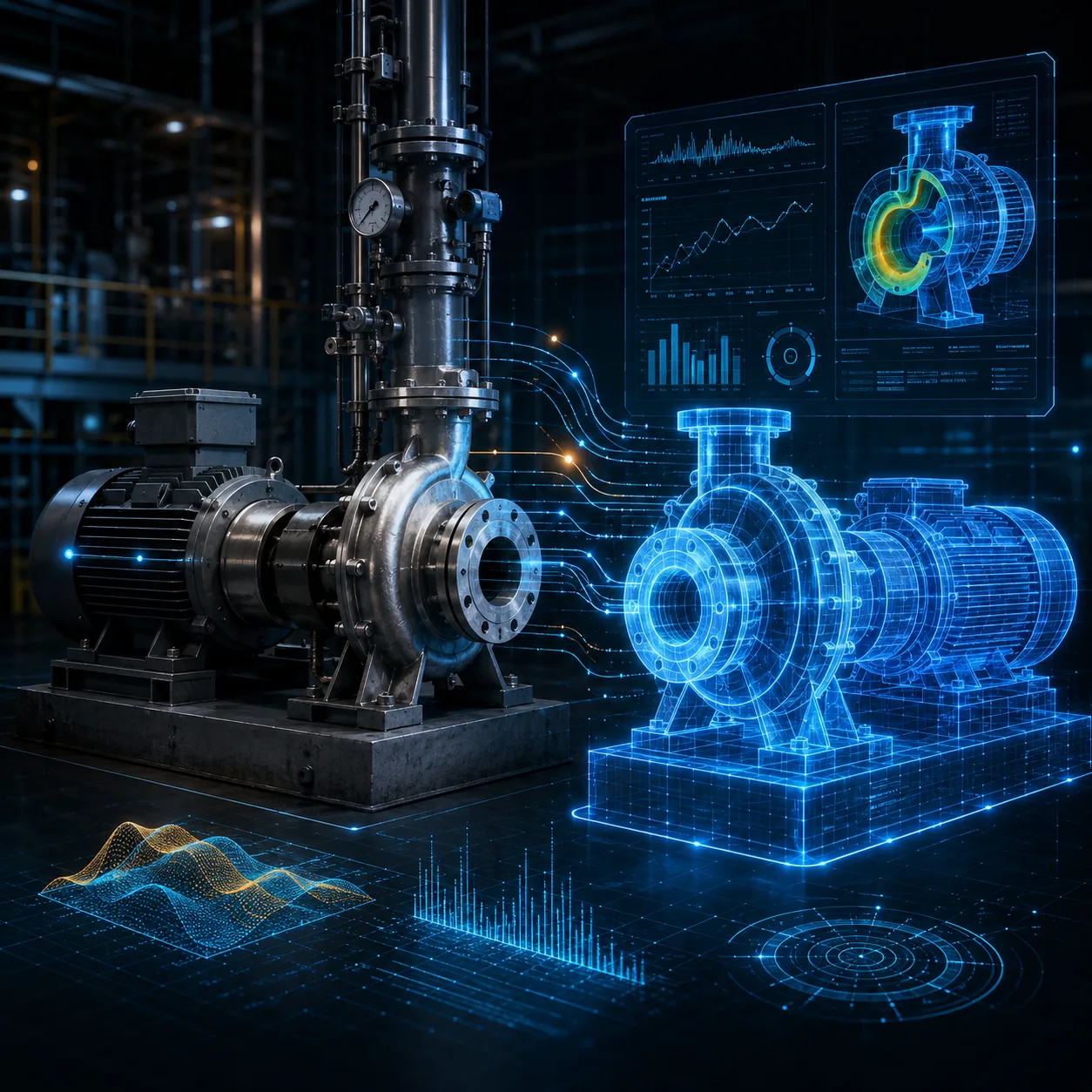
Schneider Electric, AVEVA, ETAP, Nscale and Start Campus built the Immersive Twin using NVIDIA's Omniverse DSX Blueprint. The pilot combines engineering and operating data so teams can run what-if scenarios across workload demand, rack density, the electrical power train, liquid cooling and process behavior before changing the physical facility.
The deployment focuses on Nscale's operations within SIN01 at the SINES Data Campus in Portugal. The companies describe faster deployment, better token efficiency and lower change risk as expected outcomes, but they have not published measured energy, water, commissioning-time or reliability improvements from the pilot.
Read original story ↗01
What changed
Data-center digital twins commonly model a building or one subsystem. This pilot connects customer workload requirements and IT configuration to the facility's power, cooling and operational data in one live-site model, creating a decision layer for changes that cross IT and operational technology boundaries.
02
Why it matters
New AI hardware can change rack density, electrical load and heat rejection faster than physical infrastructure can be redesigned. A credible full-stack twin can expose those interactions before operators order equipment or modify a live site, reducing procurement and commissioning risk. It can also give the cloud customer and facility operator one model for agreeing on configuration rather than optimizing compute and utilities separately. The remaining test is prediction quality: the twin becomes an operating asset only if modeled temperatures, power flows and capacity constraints match instruments in SIN01 and improve real decisions.
03
What to watch
Watch measured prediction error against SIN01 sensors, time saved in design and commissioning, energy and water per unit of compute, validated rack-density changes, model-update discipline, interoperability with third-party assets and evidence that the approach transfers beyond the pilot.
Why it was a runner-up
The pilot joins real facility data to a full-stack operating model, but its claimed efficiency and deployment benefits remain expected rather than measured publicly.
Impact: 90/100 · Confidence: 89/100
Schneider Electric's primary release identifies the site, participants, connected systems and completed pilot. NVIDIA documentation corroborates the DSX simulation stack. Confidence is high in the pilot's existence and scope; all performance benefits remain unquantified company expectations.
Read this edition’s Daily Signal →